Fixed vs. Ventilated vs. Tubular Skylights: Which Is Best for Your Brisbane Home?
Choosing the right type for your home is one of the most practical decisions you can make when planning a renovation or new build, and in Brisbane's climate, the choice matters more than many homeowners realise. These skylight products come in three main varieties, each suited to different rooms, roof types, and lifestyle needs. Understanding the differences between fixed, ventilated, and tubular options can help you select a product that works with your home rather than against it.
Why Skylight Type Matters More Than Size or Style Alone
The type you choose directly affects how comfortable and functional a room will be. Brisbane, QLD, sits in a humid subtropical climate zone, which means warmth and moisture are year-round considerations. A unit that adds beautiful light but traps heat or humidity in the wrong space can create more problems than it solves. Each of the three main types is designed to address specific needs, so understanding them makes the choice much simpler.
When comparing products, think about the purpose of each room, how much natural ventilation it currently gets, and how accessible the roof space above it actually is.
Fixed Skylights: Simple, Reliable Natural Light
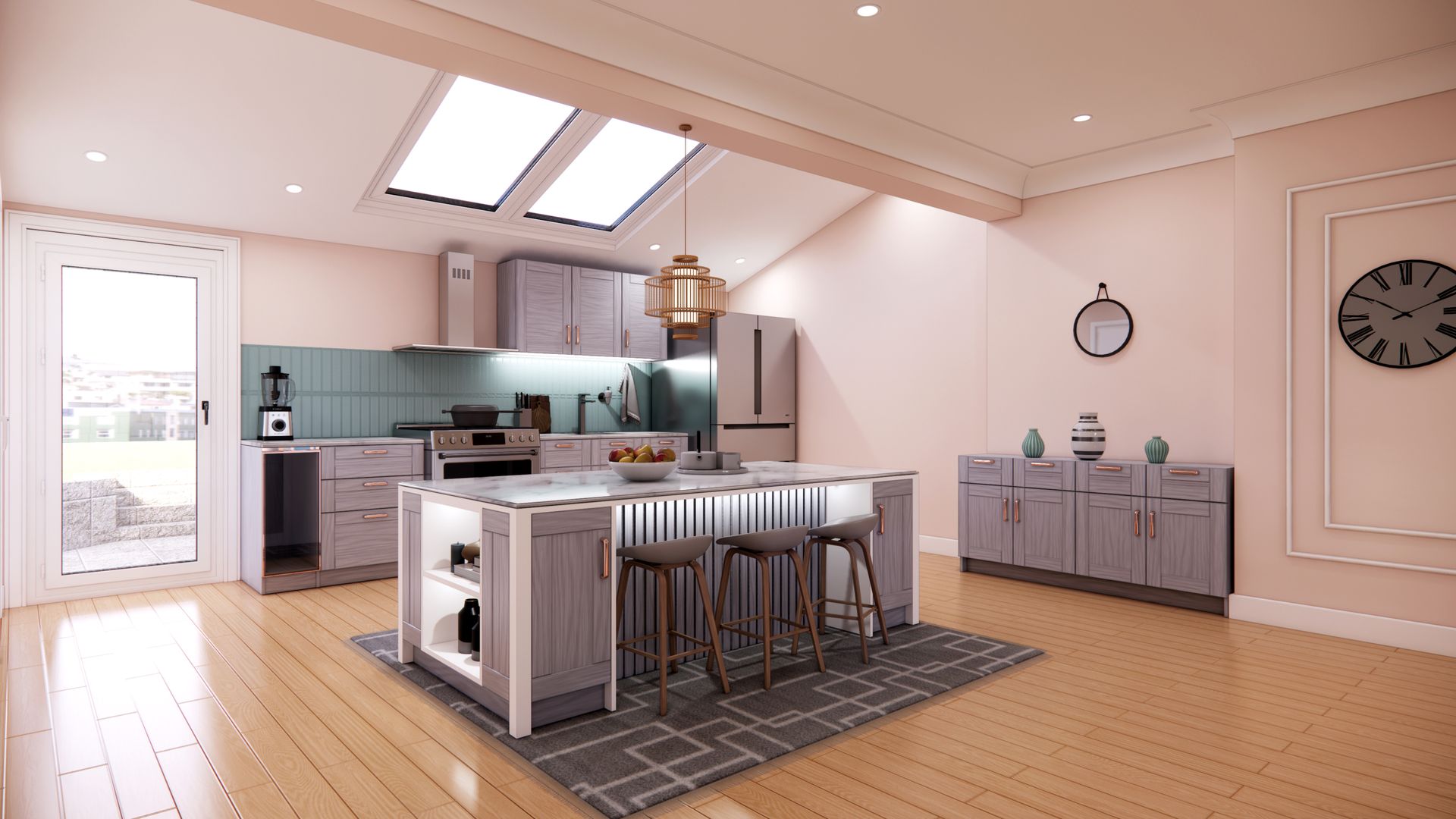
Fixed skylights are sealed units that do not open, making them ideal for spaces where natural light is the primary goal and moisture is not a major concern. Living rooms, dining areas, stairwells, and home offices are common candidates.
Because they have no moving parts, fixed units tend to be simpler to supply and fit within a broader range of budgets. They come in square, rectangular, or circular shapes and are available in acrylic dome or glass top finishes to suit different aesthetic preferences.
The main limitation is ventilation. A fixed unit will not allow any airflow, so it may not be the right choice for rooms that generate steam or condensation. In Brisbane, where summer humidity can be significant, placing a fixed unit over a kitchen or bathroom may allow moisture to build up over time.
Explore the square and rectangular skylight options to see what shapes and configurations may suit your space.
Ventilated Skylights: Airflow for Humid Spaces
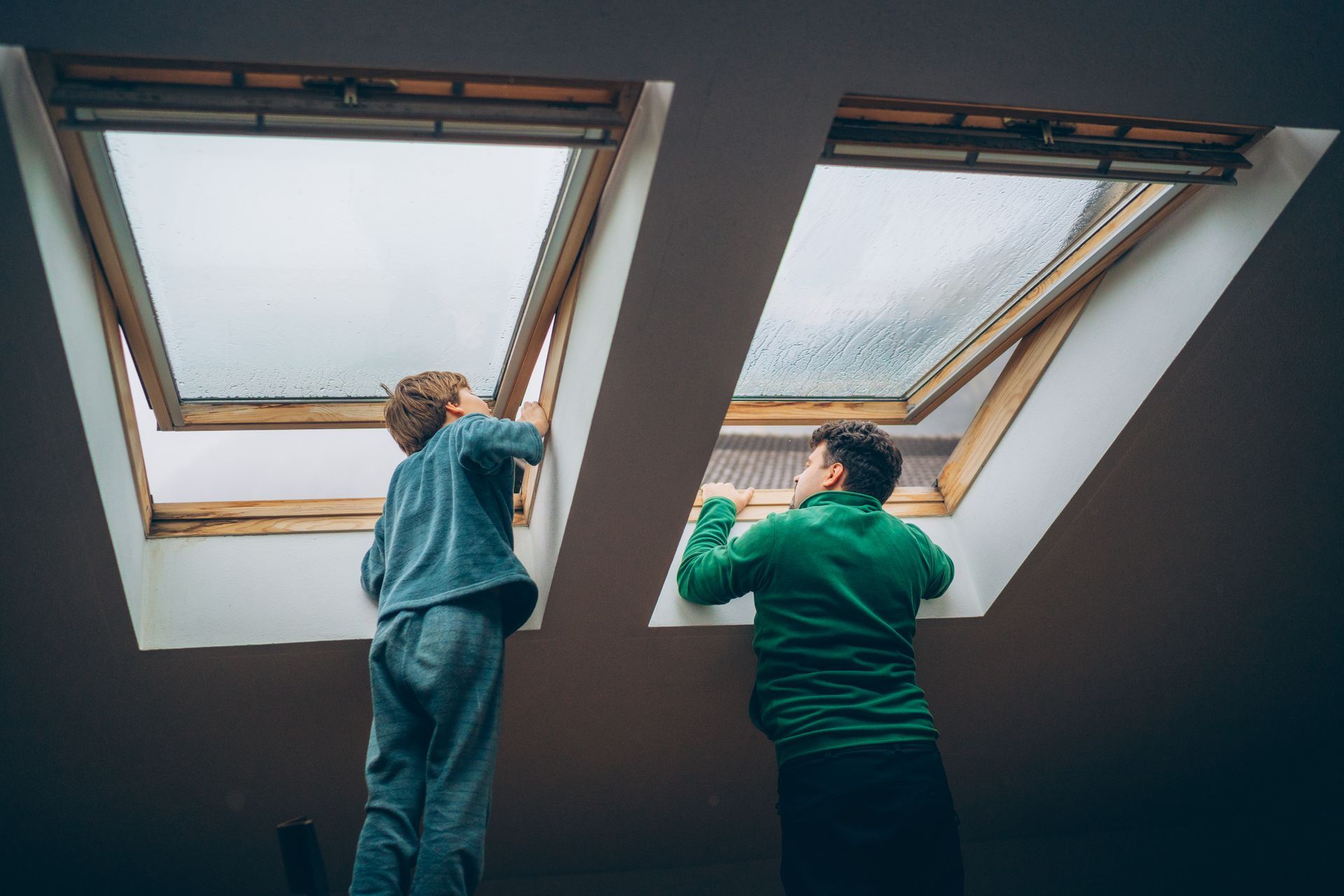
Ventilated skylights can open, either manually or via a motor, to allow warm air and moisture to escape through the roof. This makes them particularly well suited to kitchens, bathrooms, laundries, and any other room where steam, cooking odours, or condensation are common.
In Brisbane, where warm and humid conditions persist for much of the year, these units can help reduce reliance on exhaust fans and air conditioning in moisture-prone rooms. When a bathroom unit opens on a warm morning, it can clear steam quickly and bring in fresh air at the same time.
The trade-off is complexity. Ventilated units involve an opening mechanism, meaning more components and generally a higher price point than fixed alternatives. They also require more careful flashing and weatherproofing to perform reliably in Queensland's summer storm season. Despite this, for humid rooms in Southeast Queensland, a ventilated option may offer better long-term comfort.
Tubular Skylights: A Solution for Small or Hard-to-Reach Rooms
Tubular skylights use a small roof-mounted dome to capture daylight, then channel it down through a reflective tube and into the room below via a ceiling diffuser. The tube can bend and angle, which means it can reach rooms that do not sit directly beneath an accessible roof space.
Tubular units are well suited to hallways, bathrooms, walk-in wardrobes, and other compact spaces where a full frame would be impractical or where roof structure makes a conventional unit difficult to position. Because the dome opening is small, they also tend to involve less disruption to the roof itself.
In terms of light output, tubular units can be surprisingly effective for their size, particularly in sunny Brisbane conditions. They may also be a cost-effective choice for homeowners who want natural light in a smaller space without the expense of a larger framed unit.
You can explore options at the circular skylights page to compare flexible shaft kit configurations that suit different ceiling depths and roof types.
Which Is Best for Your Brisbane Bathroom?
Bathrooms in Brisbane, QLD, often benefit most from a ventilated or tubular unit. The combination of heat and moisture that builds up in a bathroom can lead to mould, surface damage, and ongoing humidity issues if ventilation is inadequate. A ventilated unit that opens to release steam is often the most effective solution for a full-sized bathroom with direct roof access above it.
For smaller bathrooms, ensuite spaces, or rooms where roof structure limits access, a tubular unit may be the more practical and affordable path. It provides natural light without requiring a large roof opening, and the sealed nature of the tube limits any risk of moisture penetration.
Fixed units are generally less recommended for bathrooms unless the room already has strong mechanical ventilation and the installation is purely intended to add natural light to a well-ventilated space.
Ready to Find the Right Option for Your Brisbane Home?
Kippa-Ring-based Redcliffe Skylights & Norm Hogg Sheet Metals proudly supplies a wide range of roofing light products to Brisbane and surrounding areas including Logan Central and the Gold Coast, QLD. With over 40 years of experience manufacturing and supplying these products, the team can help you identify the right type for your specific room, roof profile, and climate considerations. Products are available for domestic, commercial, and industrial properties, and can be manufactured to order in a range of shapes and finishes.
To get expert advice or request a quote, get in touch via the contact page or call 1800 017 226 today.